14 Misconceptions Commonly Held About Window Refurbishment
Understanding the Importance of Window Refurbishment
Window refurbishment is often overlooked in the conversation about home improvement and home management. Numerous house owners focus on tasks like kitchen remodels or bathroom upgrades, however disregarding windows can cause substantial energy loss, decreased aesthetic appeals, and a reduction in property value. This post looks into the value of window refurbishment, the types of window refurbishment readily available, actions involved in the refurbishment process, and common FAQs concerning window refurbishment practices.
Why Window Refurbishment Matters
Windows are not simply transparent openings in walls; they play a vital role in keeping the structure's stability and energy effectiveness. Here are some engaging reasons to buy window refurbishment:
Enhances Energy Efficiency: Older windows can be a significant source of heat loss in a home. Refurbishing windows can improve insulation, minimize energy costs, and boost comfort levels.
Boosts Property Value: Well-maintained windows add to the total visual appeal and marketability of a property. Potential purchasers typically keep in mind of window conditions throughout viewings.
Promotes Comfort: Drafty windows can create uneasy living conditions. Refurbishing windows adds to a more stable indoor climate, making spaces more satisfying.
Preserves Historic Features: For older homes, initial windows frequently possess historical and aesthetic value. Refurbishment allows homeowners to keep these qualities while improving functionality.
Kinds Of Window Refurbishment
The scope of window refurbishment can differ substantially based upon the type, age, and condition of the windows. The following prevail kinds of window refurbishment:
Type of Refurbishment
Description
Sash Window Restoration
Includes fixing and restoring the original system of moving windows, frequently found in older homes.
Glazing Replacement
Focuses on changing old or broken glass with energy-efficient glazing options.
Weather Stripping
Involves setting up weather removing products to decrease air infiltration around the window frame.
Caulking and Sealing
Focuses on sealing gaps between the window frame and the home's structure to avoid drafts.
Frame Repair and Painting
Involves fixing harmed frames, sanding, and repainting to bring back a fresh appearance and protect against future damage.
Steps Involved in the Window Refurbishment Process
Reconditioning windows is a multi-step procedure that requires cautious preparation and execution. Here's a standard operating procedure that details the refurbishment journey:
Assessment: Evaluate the condition of existing windows— try to find issues such as rot, spaces, broken glass, and hardware issues.
Prioritization: Decide which windows require immediate attention and prepare a refurbishment schedule.
Selection of Materials: Choose quality materials based upon the type of refurbishment needed. This might consist of weather condition removing, caulk, or specialized glazing.
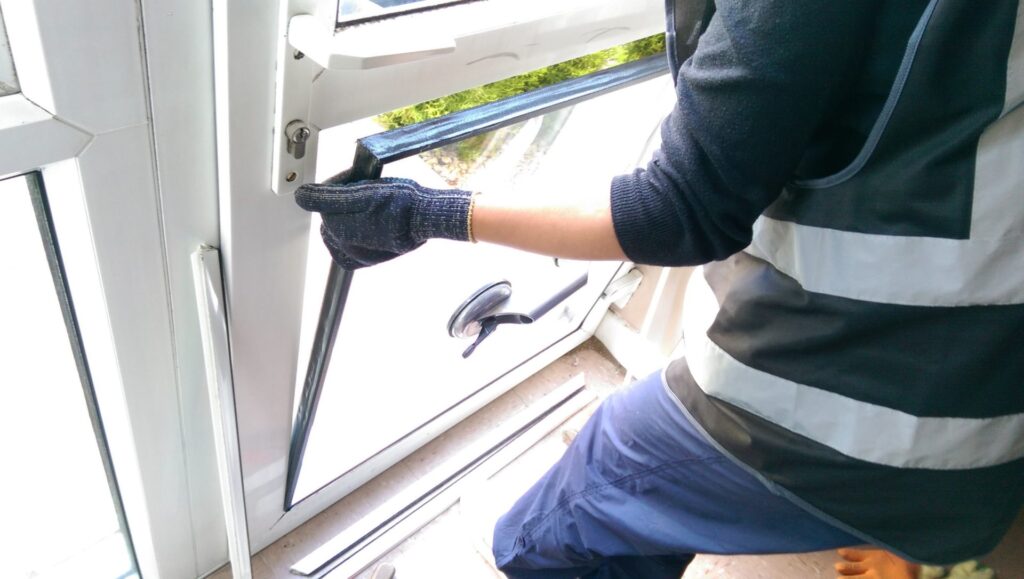
Dismantling: If required, carefully eliminate windows from their frames. Foggy Window Repair is essential for comprehensive cleansing and repair.
Repairing Damage: Address any structural damage to the window frames or sashes. This might include wood replacement, sanding, and painting.
Reinstallation: Replace the reconditioned windows back into their frames, guaranteeing correct alignment and function.
Weatherproofing: Apply caulk and weather stripping to enhance energy effectiveness and defense versus the elements.
Last Inspection: Conduct an in-depth assessment to make sure whatever is working properly and fulfills quality requirements.
Advantages of Professional Window Refurbishment
While DIY window refurbishment can save money, employing specialists typically yields much better results. Here are numerous benefits of selecting professional services:
Expertise and Experience: Professionals have actually specialized skills and knowledge to deal with numerous kinds of windows and potential concerns successfully.
Quality Materials: Professionals often have access to higher-quality products and products that might not be readily available to the general public.
Guarantee and Guarantees: Many specialists use warranties on their work, supplying peace of mind and possible cost savings on future repairs.
Safety: Working with windows, especially on upper levels, presents numerous threats. Professionals have the required tools and training to handle these threats securely.
Frequently Asked Questions About Window Refurbishment
1. How often should windows be reconditioned?
The frequency of window refurbishment depends upon elements such as environment, window type, and the quality of previous refurbishments. Generally, it's advised to evaluate and service windows every 5 to 10 years.
2. Can I recondition windows myself, or should I employ a professional?
While it's possible to recondition windows yourself, hiring a professional ensures much better results, particularly for complicated types like sash windows. A specialist can address concerns you may not recognize and make sure quality work.
3. What are the signs that my windows require refurbishment?
You ought to think about refurbishment if you discover drafts, condensation in between panes, noticeable rot or damage to the frame, or if your heating/cooling bills have unexpectedly increased.
4. Is window refurbishment cost-effective?
In a lot of cases, window refurbishment is more cost-efficient than entirely replacing windows. It typically rejuvenates windows while maintaining historical and architectural worth.
5. What products are generally utilized in window refurbishment?
Common materials include weather stripping, caulking, wood fillers, paint or stain for looks, and particular glass types for glazing.
Window refurbishment plays an integral function in maintaining a home's energy effectiveness, looks, and value. House owners need to not ignore this important element of property management. By comprehending the types of window refurbishment and the associated benefits, homeowners can make informed decisions, eventually resulting in a more comfortable and important living environment. Educated options can pave the way for efficient refurbishments, turning dated windows into practical and attractive functions of the home.